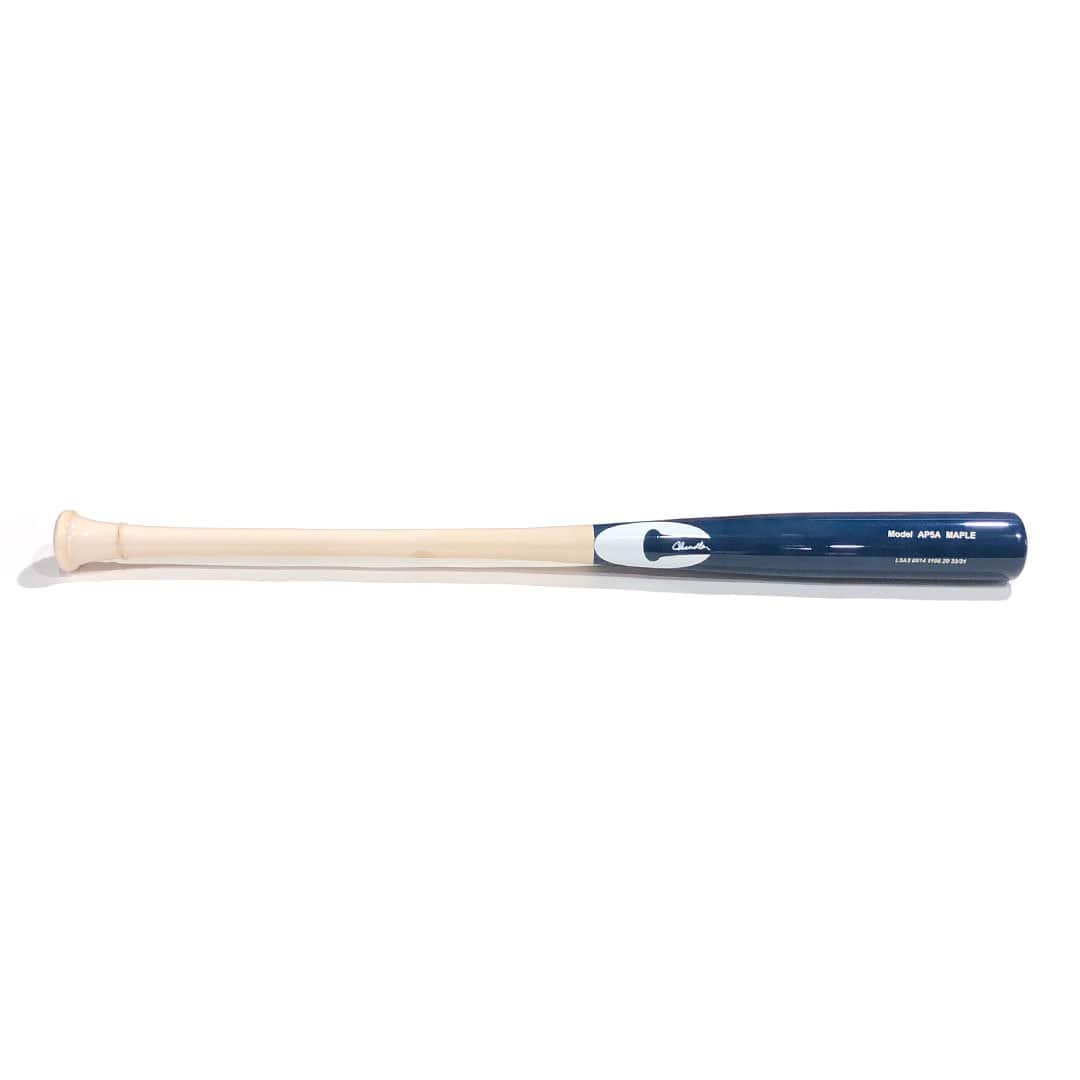
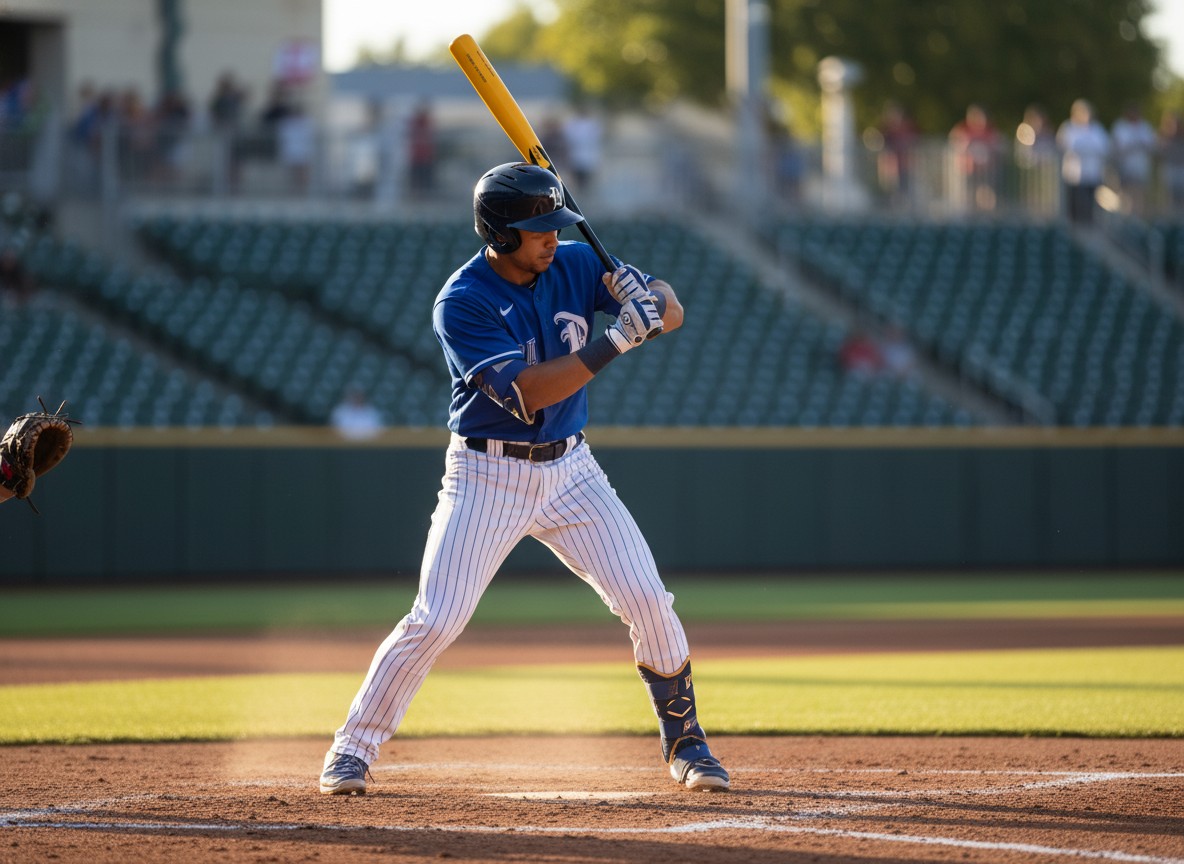
The setting sun cast its golden rays upon the baseball field, turning the red clay a warm golden brown. The stands were filled with the shadows of spectators, and an atmosphere of tension and anticipation hung in the air. In the image, the adult baseball player, clad in a blue jersey and crisp white striped shorts, stood tall and proud. He held his yellow bat high, his gaze beneath his helmet sharp as a hawk's, his feet shoulder-width apart, firmly planted on home plate. This was a posture of readiness, a movement repeated countless times in practice and games. And as that bat was raised high, we couldn't help but ask: what kind of glory was the athlete waiting for?
Perhaps he was waiting for that decisive, game-winning hit. In baseball, every moment of impact can change the course of the game. Perhaps it was the bottom of the ninth inning, the score close, the bases loaded, and he, as the key batter, stepped into the batter's box. At this moment, all eyes were on him. The catcher's glove was in place, the pitcher's gaze held a defiant glint, and his teammates held their breath on the bases. He raised his bat, his mind racing with countless strategies for dealing with different pitches, awaiting the pitcher's incoming ball. If he could hit it precisely, achieving a grand slam, the baseball breaking through the defense would carry the team's hopes into the stands. At that moment, the cheers from the stadium, the embraces of his teammates, the coach's praise—that was the glory he craved. This glory was the medal of victory for the team, proof of his value as a core player.
This glory on the field never comes from nowhere; it is cultivated through countless days and nights of sweat and perseverance. Compared to the raw training of teenagers, the preparation path for adult athletes is far more arduous and brutal. Before dawn, he's already in the weight room, training his core and upper body strength to increase the power of his swing and prepare his body for the demands of high-intensity games. During morning technical practice, he analyzes his swing trajectory repeatedly in front of a high-speed camera, correcting even the slightest deviation of 0.1 seconds. In the afternoon scrimmage, he faces pitchers of different styles, from fastballs to breaking balls, from inside to outside pitches, constantly refining his judgment and hitting technique.
Injuries are the biggest stumbling block on an athlete's path to glory. Perhaps it's a muscle strain from a powerful swing, an ankle sprain from running bases, or a rotator cuff injury accumulated over long-term training. When the doctor tells him he needs rest, he locks himself in the locker room, looking at the bat that has accompanied him on the field, filled with resentment and anxiety. But he never considers giving up. The rehabilitation process is even more grueling than training on the field; he grits his teeth and perseveres through every stretch and every difficult recovery. Because he knew that only by returning to the field could he have the chance to touch that coveted glory. This courage to persevere despite injuries, this resilience to refuse to bow to fate, is itself a silent glory.
The glory he awaits is not just the trophy of victory or defeat, but also the ultimate pursuit of "self-transcendence." Baseball is a game against oneself. Every athlete is constantly challenging their limits: from an initial batting average of less than .300 to breaking .400 through training; from frequently missing fastballs to accurately predicting and hitting the ball; from nervousness and confusion on his first appearance to becoming the team's spiritual leader. Every moment he raises the bat is a transcendence of his past self. Perhaps he didn't hit a home run in this game, perhaps the team ultimately lost, but as long as he is more composed, more accurate, and more resilient than he was last time, that is his glory on the field.
This glory is also hidden in the inheritance and love for baseball. When he stands on the field, he is not only an athlete, but also a transmitter of the baseball spirit. In the stands, perhaps there are teenagers like those from Blog No. 1 Middle School, looking up at him, idolizing him, and yearning to one day stand on the professional field like him and swing the bat. Every effort he makes, every gesture of respect for his opponents, every mentoring of his younger teammates, contributes to the development of baseball. When he sees young players grow, when he feels that baseball is loved by more people, the glory of this "passing on" carries far more weight than personal victory or defeat.
As the sun gradually sets and the stadium lights are about to come on, the athlete remains poised, bat in hand, awaiting the pitcher's throw. In his heart lies the desire for victory, the demands on himself, the responsibility to his team, and above all, a deep love for baseball.
When the bat is raised, what the athlete awaits is a game-changing hit, a trophy symbolizing victory, the joy of self-transcendence, and the satisfaction of passing on the spirit. This glory on the field is the pursuit of their professional careers and the meaning behind their daily dedication. And that's precisely the charm of baseball – every moment of raising the bat holds infinite possibilities; every all-out pursuit deserves to be remembered.
Blog